
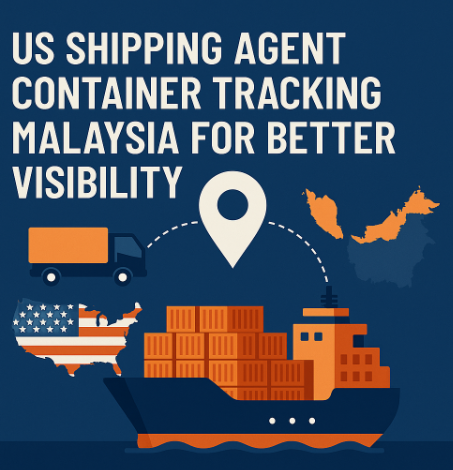
Efficient logistics requires more than moving cargo from one port to another. It requires visibility, predictability, and fast communication at every stage of the journey. When importers work with a professional us shipping agent container tracking Malaysia service, they gain real-time updates, smoother customs coordination, and optimized supply chain control that reduces delays and strengthens decision-making. This comprehensive guide explains how better container tracking empowers US importers shipping from Malaysia and why expert logistics support is essential in today’s fast-moving supply chains.

Why Is Container Tracking Between Malaysia and the US So Important?
Reliable tracking allows businesses to anticipate delays, adjust inventory strategies, and maintain accurate delivery forecasts. Additionally, complex supply chains create blind spots—especially when cargo moves through multiple Malaysian ports such as Port Klang, Tanjung Pelepas, and Penang. Therefore, without precise tracking, businesses face:
- Unexpected vessel rollovers
- Unclear transfer status during transshipment
- Limited visibility during customs inspections
- Uncertain trucking appointment schedules
- Inventory shortages due to inaccurate ETAs
- Higher storage and demurrage fees
Because Malaysia handles millions of containers annually, visibility becomes the difference between smooth deliveries and costly disruptions.
How Does a US Shipping Agent Improve Tracking Accuracy From Malaysia?
A qualified US shipping agent connects ocean carriers, Malaysian forwarders, local trucking partners, and customs brokers into a single visibility network. Furthermore, they use integrated systems to update status in real time rather than waiting for manual reports.
Key functions include:
- Monitoring vessel departure and arrival time
- Tracking container loading progress
- Reporting gate-in and gate-out records
- Checking transshipment movement updates
- Providing customs clearance status
- Offering delivery appointment confirmation
With centralized communication, businesses enjoy complete, accurate, and timely visibility.
Which Stages of the Malaysia–US Shipping Process Require Tracking?
Every movement in the supply chain generates crucial data. Each stage affects the next, so oversight is essential.
Container Tracking Stages
- Supplier cargo readiness
- Container pickup from Malaysian factory
- Gate-in at the port terminal
- Container loading onto vessel (CY cutoff)
- Transshipment updates (if applicable)
- Vessel departure and in-transit milestones
- US port arrival and unloading
- Customs clearance status
- Exit from terminal (gate-out)
- Final-mile trucking delivery
Because even small delays at any step can impact delivery, tracking ensures proactive solutions.
What Tracking Technologies Do Shipping Agents Use?
Professional agents rely on multiple visibility tools rather than a single carrier website. Moreover, integrations allow for automated updates and reduced human error.
Common Tracking Technologies
- EDI/API data exchange
- Carrier-integrated tracking platforms
- AIS (Automatic Identification System) vessel tracking
- Container IoT sensors (optional for high-value cargo)
- Real-time terminal feed updates
- Automated milestone notifications
Since Malaysia has strong digital infrastructure, real-time tracking becomes highly accurate and reliable.
How Much Does Container Shipping From Malaysia to the US Cost?
Costs vary by volume, season, carrier, and destination port. The following table shows general ranges.
Sea Freight Cost Reference Table
| Shipment Type | Route | Avg. Cost | Transit Time | Notes |
|---|---|---|---|---|
| 1×20GP | Port Klang → LA/LB | USD 1,200–1,850 | 21–28 days | Competitive West Coast rates |
| 1×40HQ | Tanjung Pelepas → Houston | USD 2,100–2,950 | 30–36 days | Longer but stable |
| LCL 3–10 CBM | Malaysia → USWC | USD 45–70/CBM | 24–32 days | Good for small cargo |
| LCL 10–15 CBM | Malaysia → USEC | USD 65–90/CBM | 32–42 days | Higher handling cost |
Although freight rates fluctuate, a US shipping agent helps stabilize planning through transparent quoting and consistent schedules.
How Does Container Tracking Reduce Supply Chain Costs?
Accurate tracking lowers operational risk and financial waste.
Clear Benefits
- Reduced demurrage and detention
- Better inventory and warehouse planning
- Faster customs clearance coordination
- Optimized trucking appointments
- Early detection of delays and disruptions
- More accurate ETA forecasting
Since visibility enhances control, importers can make confident decisions earlier.
Why Choose Malaysia as a Strategic Origin for US Imports?
Malaysia offers strong production capacity, competitive labor costs, and efficient port operations. Additionally, major carriers operate frequent sailings to the US West and East Coasts.
Strengths of Malaysia’s Export Infrastructure
- Port Klang and Tanjung Pelepas ranked among world’s top ports
- Short dwell time and fast customs processing
- Stable manufacturing and electronics supply chain
- Strong regional consolidation hub for ASEAN cargo
Because of these advantages, Malaysia continues to grow as a preferred sourcing destination.
How Does a US Shipping Agent Assist With Customs for Malaysia Imports?
Customs remains the most critical milestone. Therefore, expert oversight prevents delays, penalties, and holds.
Core customs responsibilities include:
- HS code validation
- Duty & tax estimation
- Partner Government Agency requirements
- Document review and correction
- Coordination with CBP brokers
- ISF filing before vessel departure
Velotactlcs Logistics provides full pre-clearance review to ensure smooth processing upon arrival in the US.
Real Case Studies: Malaysia–US Container Tracking Success
- Cargo: 1×40HQ
- Cost: USD 2,540
- Transit: 27 days
- Result: Tracking identified vessel delay early; delivery rescheduled without storage fees.
- Cargo: LCL 8 CBM
- Cost: USD 560
- Transit: 34 days
- Result: Real-time milestone alerts ensured smooth customs entry with no inspection.
- Cargo: 1×20GP
- Cost: USD 1,680
- Transit: 32 days
- Result: Tracking helped predict transshipment congestion; alternate routing avoided a 5-day delay.
Container Tracking vs. Traditional Status Updates: What’s the Difference?
Traditional updates rely on manual communication. Modern container tracking is automated, proactive, and continuous.
Comparison Table
| Feature | Traditional Updates | Modern Tracking |
|---|---|---|
| Speed | Delayed | Real-time |
| Accuracy | Depends on manual input | Automated and precise |
| Visibility | Limited | Door-to-door clarity |
| Risk Control | Reactive | Proactive |
| Predictability | Low | High |
| Communication | Fragmented | Centralized |
Better tracking means fewer surprises and improved customer satisfaction.
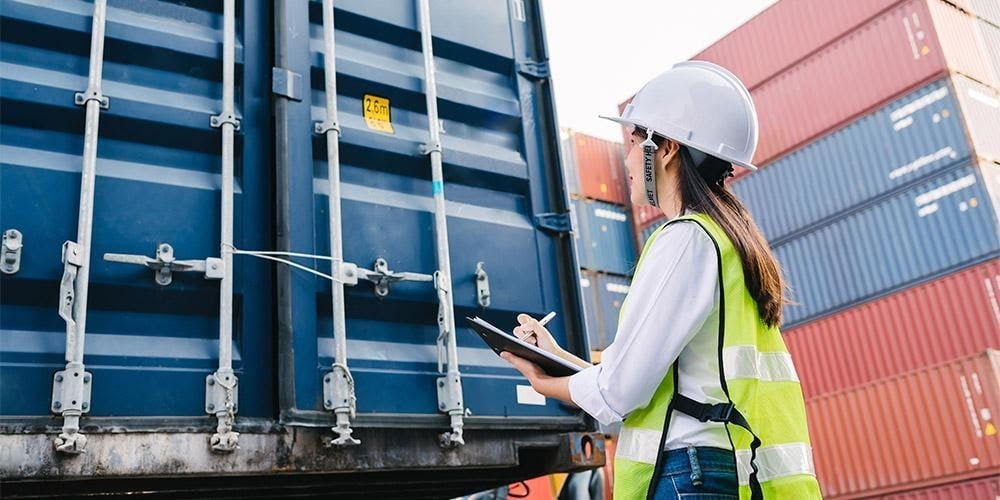
How Should Businesses Choose the Right Container Tracking Partner?
Before selecting a shipping agent, importers should evaluate:
- Real-time milestone tracking capability
- Customs compliance expertise
- Multi-supplier consolidation support
- End-to-end visibility systems
- Carrier and port network strength
- Clear communication and proactive updates
- Strong US trucking partnerships
Because visibility drives supply chain confidence, choosing the right partner creates long-term operational advantages.
Conclusion
Choosing an expert us shipping agent container tracking Malaysia partner ensures accurate visibility from supplier pickup to US final-mile delivery. With proactive updates, better documentation control, and optimized routing, businesses reduce risk and improve overall supply chain performance. Velotactlcs Logistics delivers the reliable tracking, customs expertise, and operational transparency needed for modern global trade.
Need a quote?
Ready to get started? Contact us now to request a free shipping quote.
Frequently Asked Questions (FAQ)
It improves planning, reduces delays, and prevents storage fees.
Yes. We monitor all movement, including Singapore, Hong Kong, or Busan hubs.
Absolutely. We provide full visibility for both containerized and consolidated cargo.
Very accurate. We track vessel speed, port congestion, and customs timelines.
Yes. Early alerts help schedule faster container pickup.