
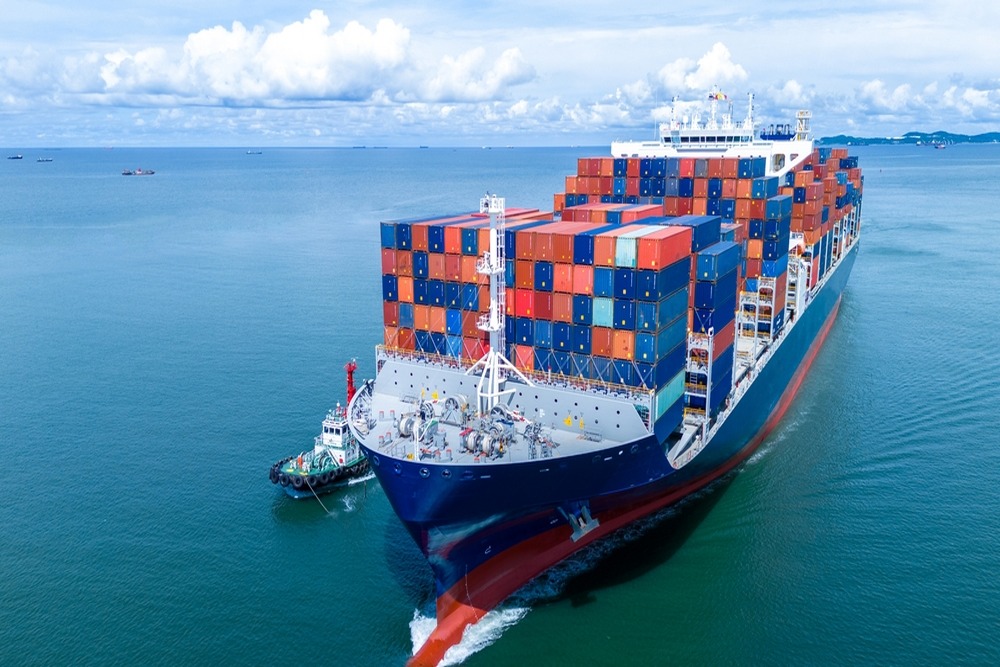
Managing US shipping agent customs clearance is one of the hardest parts of importing into the United States. Many importers experience delays, unclear CBP requirements, exam risks, and hidden fees. This guide uses structured explanations and clean text tables to solve real pain points and help importers clear cargo smoothly and confidently.
What Problems Do Importers Face During US Customs Clearance?
Importers often face repeated and predictable challenges. Below is a structured summary showing the real causes behind clearance delays:
| Pain Point | Root Cause | Impact |
|---|---|---|
| Unexpected delays | Document mismatch or CBP exam | Storage fees, missed delivery deadlines |
| Incorrect HS codes | Supplier misclassification | Penalties, entry correction, exam risk |
| Missing permits | FDA/USDA/FCC requirements | Cargo hold until approval |
| LCL cargo issues | Mixed shipments in consolidation | Higher exam rate, slower release |
| Incorrect valuation | Under-declared invoice values | Audit, delays, potential fines |
This table clearly shows why importers struggle: most delays come from documents, not the cargo itself.
How Does a US Shipping Agent Reduce Clearance Risk?
A professional agent minimizes risk with structured compliance checks and early intervention.
Key functions:
• Ensures invoice, packing list, and BL details align
• Verifies HS codes using product specifications
• Files ISF and entry before arrival
• Prepares FDA/USDA/FCC permits in advance
• Coordinates with CBP and CFS to reduce handling delays
These steps dramatically lower exam probability and keep your timelines predictable.
What Documents Does CBP Check and Why Are They Important?
CBP checks multiple documents for consistency. Any discrepancy—even a single word—may trigger manual review or inspection. Below is a structured breakdown:
| Document | What CBP Checks | Common Issue |
|---|---|---|
| Commercial Invoice | Value, HS code, product details | Incorrect valuation |
| Packing List | Weight, quantity, volume | Not matching invoice |
| Bill of Lading / AWB | Shipper, consignee, cargo details | Wrong description |
| Arrival Notice | Carrier-arrival data | Incorrect ETA or port |
| Customs Bond | Importer compliance guarantee | Wrong bond amount |
| Import Permits | Required for restricted items | Missing approvals |
This helps importers understand exactly what CBP looks at when deciding clearance speed.
What Are the True Costs of US Customs Clearance?
Many importers complain about hidden fees. Below is a realistic and transparent cost breakdown:
| Fee Item | USD Range | Notes |
|---|---|---|
| Entry Filing | $60–$150 | Required for all shipments |
| ISF Filing | $35–$90 | Ocean imports only |
| MPF Duty | 0.3464% | Minimum ~$29 |
| HMF Duty | 0.125% | Ocean shipments only |
| Exam Fee | $50–$500+ | Depends on exam type |
| Storage/Demurrage | $20–$200 per day | Caused by clearance delays |
This solves the pain point: importers rarely know how much clearance should cost.
What CBP Exam Types Exist and What Do They Cost?
Exams are the biggest unknown for importers. Below is a structured list of real exam types, fees, and delays:
| Exam Type | Cost | Delay | Reason |
|---|---|---|---|
| X-Ray / VACIS | $50–$120 | 1–2 days | Standard scan |
| Tailgate Exam | $80–$150 | 2–3 days | BL or invoice mismatch |
| CET Intensive Exam | $250–$500+ | 5–7 days | Full unloading and inspection |
| USDA Inspection | $100–$300 | 1–3 days | Wood packaging or organic materials |
| Manifest Hold | $0 | 1–5 days | Documentation inaccuracies |
This table addresses the importer pain point: “Why was I inspected and how much will it cost me?”
Which US Ports Clear Cargo the Fastest?
Different ports have different exam rates and clearance speeds. A structured comparison:
| Port | Avg Release Time | Exam Rate | Notes |
|---|---|---|---|
| Miami | 1–2 days | Low | Ideal for Latin America cargo |
| Savannah | 1–3 days | Medium | Efficient East Coast gateway |
| Houston | 2–3 days | Low | Smooth industrial cargo processing |
| New York / New Jersey | 2–4 days | High | Strict document checks |
| Los Angeles / Long Beach | 2–5 days | High | Congestion + high exam frequency |
This helps importers select ports strategically based on speed and risk.
FCL vs LCL: Which Clears Faster in the US?
US clearance performance differs significantly depending on shipment type:
| Criteria | FCL | LCL |
|---|---|---|
| Clearance Time | Faster | Slower due to CFS process |
| Exam Risk | Medium | High (mixed cargo issue) |
| Extra Charges | Lower | Higher (CFS, doc fees) |
| Delay Cause | One shipper | Other shippers may cause delays |
| Best For | Larger shipments | Small-volume, low-urgency cargo |
This table answers a key customer question: “Why does my LCL cargo always get delayed?”
What Causes Clearance Delays and How Can a Shipping Agent Prevent Them?
Common delay reasons and solutions:
| Delay Reason | Agent Solution |
|---|---|
| Wrong HS code | Pre-classification using product specifications |
| Missing permits | Early application for FDA, USDA, FCC approvals |
| LCL congestion | Choosing FCL or using alternative ports |
| Invoice mismatch | Full document audit before shipment |
| Wood packaging issues | Ensuring ISPM-15 compliance |
This gives importers a clear roadmap for avoiding delays.
Conclusion
US shipping agent customs clearance becomes easier when importers work with structured processes, accurate documents, and proactive compliance checks. With a knowledgeable clearance agent, you reduce exam risk, avoid costly delays, and gain full visibility into your import flow. Whether shipping by air, FCL, or LCL, proper preparation and expert guidance ensure smooth, predictable cargo entry.

📦Get a Free Quote
If you want faster clearance, fewer delays, and more transparency, partnering with an experienced US shipping agent customs clearance provider is the most effective way to protect your supply chain and avoid costly surprises.
Usually due to document mismatches, incorrect HS codes, or random security checks. A shipping agent reduces these risks by reviewing all details in advance.
Submit accurate documents early, keep invoice and packing list consistent, and use correct HS codes. Pre-clearance review helps avoid most delays.
LCL mixes cargo from multiple shippers. If one file has an error, the entire consolidation may be delayed or examined.
CBP may correct the value, charge penalties, or hold the cargo. Providing real values and letting an agent audit documents can prevent this.
Products like food, electronics, cosmetics, and medical devices may require FDA, USDA, or FCC permits. Preparing them early prevents release delays.