

Choosing a reliable us shipping agent for furniture import is essential for importers handling large, fragile, and high-value furniture shipments. Because furniture is bulky, palletized, crated, or irregularly shaped, importers often face damage risks, slow clearance, and unpredictable port delays. This complete guide explains how the right shipping agent ensures safer handling, faster customs processes, and more predictable logistics for your furniture supply chain.
What Does a US Shipping Agent for Furniture Import Actually Do?
A shipping agent specializing in furniture import manages destination-side operations, ensuring your products move smoothly from vessel arrival to warehouse delivery. Since furniture is sensitive to handling and easily damaged, the agent’s role becomes even more critical.
A furniture import shipping agent typically handles:
- Customs clearance coordination
- Arrival notice management
- Terminal communication and monitoring
- Exam handling with CBP
- Safe removal of oversized or fragile items
- Scheduling drayage and warehouse delivery
- Preventing demurrage and storage fees
Their expertise directly protects your furniture from unnecessary risk.
Why Do Furniture Importers Need a Specialized Shipping Agent?
Furniture imports are more complex than general cargo because they involve fragile materials, irregular sizes, and protective packaging.
Reasons importers prefer a specialized us shipping agent for furniture import:
- Furniture is prone to scratches, breakage, and moisture damage
- Bulky shapes require unique port handling
- Wooden furniture often needs USDA or fumigation compliance
- High-value furniture requires secure release procedures
- Palletized and crated goods need proper forklift handling
- Terminal warehouses get congested, delaying oversized cargo
Therefore, having an experienced agent ensures safe unloading, fewer operational mistakes, and smoother customs flow.
What Common Problems Do Furniture Importers Face?
Furniture shipments encounter several recurring issues that require professional attention.
| Problem | Root Cause | Impact |
|---|---|---|
| Damage during unloading | Poor forklift handling or moisture exposure | Customer complaints, product loss |
| Customs delays | Wrong HS codes or vague descriptions | Extended clearance time |
| High demurrage | Slow release or incorrect paperwork | Price erosion and reduced profit |
| USDA wood checks | Untreated or misdeclared wood materials | Immediate shipment hold |
| Oversized cargo fees | Irregular dimensions at terminal | Higher port costs |
Because furniture is delicate and expensive to transport, these risks must be proactively managed at the port.
How Does a Shipping Agent Reduce Furniture Damage Risk?
A specialized furniture shipping agent minimizes damage through structured handling procedures.
They help by:
- Checking packaging conditions before release
- Ensuring forklifts and handlers follow fragile cargo procedures
- Coordinating moisture protection for wooden and upholstered furniture
- Monitoring container opening to prevent sudden collapse
- Communicating special instructions to CFS or terminal operators
This reduces unexpected damage and improves customer satisfaction.
What Documents Are Required for Furniture Import Clearance?
Furniture imports often require more detailed documents because of material, size, and compliance issues.
| Document | What CBP Checks | Common Issue |
|---|---|---|
| Commercial Invoice | Material type, value, HS codes | Incorrect valuation |
| Packing List | Cartons, pallets, dimensions | Missing measurements |
| Bill of Lading | Cargo description, routing | Vague description |
| Arrival Notice | Container info and port location | Wrong terminal |
| Customs Bond | Importer compliance guarantee | Wrong bond limit |
| USDA Documents | Wood treatment certificates | Missing or incomplete |
Accurate documentation ensures clearance progresses smoothly without unnecessary exams.
Which Shipping Methods Work Best for Furniture Import?
Furniture importers often choose between air, sea, or truck transport depending on volume and urgency.
| Method | Transit Time | Cost Level | Best For |
|---|---|---|---|
| Air Freight | 1–7 days | High | Urgent, small, or luxury furniture |
| FCL Sea Freight | 15–35 days | Medium | Large furniture shipments |
| LCL Sea Freight | 20–40 days | Low | Small batches or mixed SKUs |
| Domestic Trucking | 1–7 days | Medium | Final warehouse delivery |
| Rail Transport | 10–18 days | Medium | Long-distance inland transport |
Most furniture importers prefer FCL due to reduced damage risk and better handling.
Container Pricing Estimates for Furniture Imports
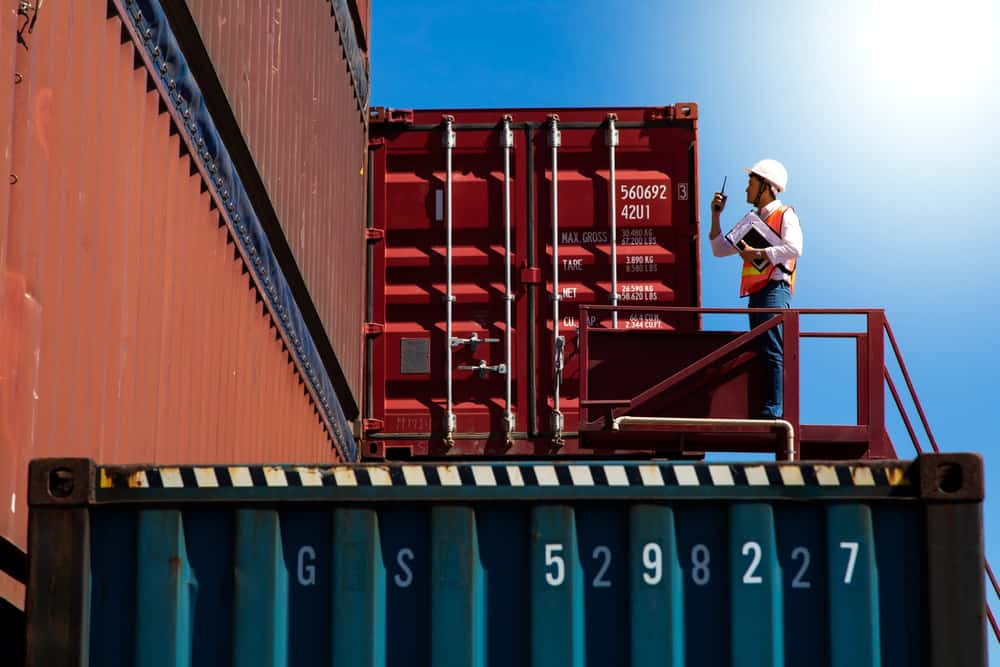
Because furniture takes large cubic capacity, proper planning helps reduce cost.
| Container Size | Approx Cost (USD) | Best For |
|---|---|---|
| 20ft Container | $1,500–$3,000 | Small furniture orders |
| 40ft Container | $2,300–$4,500 | Large shipments |
| 40HQ Container | $2,500–$5,000 | Bulky or tall furniture |
| LCL (per CBM) | $45–$120 | Mixed carton shipments |
Pricing varies based on season, port congestion, and carrier capacity.
How Long Does Furniture Clearance Take at Major US Ports?
Furniture clearance speed depends on documentation quality, USDA requirements, and port congestion.
| Port | Typical Clearance Time | Notes |
|---|---|---|
| Los Angeles / Long Beach | 2–6 days | High wood inspection rate |
| New York / New Jersey | 2–5 days | Strict documentation review |
| Houston | 1–3 days | Smooth for wooden furniture |
| Savannah | 1–3 days | Reliable East Coast gateway |
| Miami | 1–2 days | Good for South American imports |
Air vs Sea Freight: Which Is Better for Furniture?
The transport choice heavily affects risk level and delivery speed.
| Factor | Air Freight | Sea Freight |
|---|---|---|
| Speed | Very fast | Slow but predictable |
| Cost | High | Affordable |
| Volume Capacity | Limited | Large |
| Damage Risk | Low | Medium |
| Best For | Small or expensive items | Bulk wooden furniture |
Sea freight remains the most efficient for standard wholesale and retail furniture shipments.
How Can Furniture Importers Reduce Total Shipping Cost?
Furniture shipping becomes expensive when planning is poor. However, these strategies help reduce cost:
- Use FCL instead of LCL whenever possible
- Avoid peak seasonal arrivals
- Consolidate furniture to reduce per-unit cost
- Work with a specialized us shipping agent for furniture import
- Ensure USDA documentation is prepared before departure
- Use accurate packaging dimensions to avoid oversized fees
- Schedule drayage early to avoid terminal congestion
Conclusion
Choosing the right us shipping agent for furniture import protects your investment, accelerates customs clearance, and prevents damage during port handling. Because furniture is fragile, bulky, and value-sensitive, working with a specialized agent ensures smoother operations, safer packaging control, and more predictable supply chain performance. When your agent manages clearance, drayage, and handling proactively, your furniture reaches warehouse shelves faster and in perfect condition.

📦Get a Free Quote
Partnering with an experienced us shipping agent for furniture import helps lower risk, improve efficiency, and ensure secure cargo release. If you want a smoother import process with fewer delays and better handling quality, now is the right time to work with a reliable specialist.
Furniture is bulky, heavy, and often fragile. Poor forklift handling, moisture exposure, and incorrect packaging can cause scratches or breakage. A professional shipping agent ensures safe handling and proper unloading procedures.
Yes. Wooden furniture often requires USDA compliance or fumigation proof. Missing these documents may result in clearance delays or immediate holds. Preparing them ahead of time prevents unexpected inspections.
Yes. FCL reduces damage risk, improves handling stability, and prevents delays caused by mixed cargo. LCL is cheaper but exposes furniture to more touches, handling, and exam exposure.
Submit accurate invoices, prepare USDA documents early, confirm HS codes, and avoid vague product descriptions. A specialized shipping agent coordinates directly with CBP to resolve issues quickly.