
Choosing a reliable us shipping agent for machinery transport is essential for companies moving heavy equipment, industrial machines, construction tools, manufacturing systems, or oversized cargo. Because machinery shipments require specialized handling, strict compliance, and detailed planning, businesses depend on experienced logistics partners to ensure safe delivery. Moreover, heavy cargo transport involves complex documentation, rigorous safety rules, and customized routing, making professional support necessary for smooth operations.
What Does a US Shipping Agent for Machinery Transport Do?
A us shipping agent for machinery transport manages the full logistics process for heavy equipment, including planning, pickup coordination, packing, documentation, customs clearance, and safe delivery. Since machinery often contains sensitive components or oversized structures, agents use specialized carriers and handling equipment to prevent damage.
Typical responsibilities include:
- Route planning and freight method selection
- Heavy-cargo packing and securing
- Oversized load permits and compliance
- Booking sea, air, LCL, FCL, or break bulk shipments
- Arranging flat rack or open-top containers
- Customs documentation and HS code classification
- Coordinating warehouse loading and unloading
- Trucking and final-mile delivery
Because machinery shipments are high-value and high-risk, agents ensure safe, efficient, and compliant movement.
Why Do Companies Need Machinery Transport Specialists?
Machinery shipments require special expertise that typical freight forwarding cannot provide. Additionally, incorrect packing or documentation can cause severe delays or cargo damage.
Key reasons include:
- Preventing equipment damage
- Ensuring proper loading and securing
- Managing oversized cargo rules
- Avoiding customs complications
- Reducing transportation costs
- Managing multi-country import/export requirements
- Providing end-to-end tracking and coordination
Heavy machinery logistics is complex, and professional agents reduce operational risks significantly.
What Shipping Methods Are Best for Machinery Transport?
A us shipping agent for machinery transport helps companies choose the ideal freight mode depending on equipment size, urgency, and budget.
Machinery Shipping Method Comparison
| Method | Best For | Transit Time | Cost Level | Advantages | Cons |
|---|---|---|---|---|---|
| FCL Sea Freight | Large crates, high-value machines | 18–30 days | Low–Medium | Stable cost/unit, safe | Slower |
| Break Bulk | Oversized machinery | 20–40 days | Medium | No container limits | Requires special equipment |
| Flat Rack | Heavy, wide, or tall machinery | 18–30 days | Medium | Ideal for irregular shapes | Higher fees |
| Air Freight | Urgent machinery parts | 3–7 days | High | Fastest | Expensive |
| LCL | Small machinery shipments | 22–35 days | Low | Cost-effective | Handling risk |
Selecting the right method prevents unnecessary damage and reduces logistics costs.
How Much Does Machinery Transport Cost?
Pricing depends on dimensions, weight, route, freight type, customs duties, and special handling requirements.
Machinery Transport Cost Guide
| Service Type | Estimated Price | Notes |
|---|---|---|
| FCL Machinery Shipping | $2,000–$6,000 | Based on route & container type |
| Break Bulk Freight | $80–$150 per CBM | For oversized machinery |
| Flat Rack Container | $3,000–$9,000 | Includes special loading |
| Air Freight Machinery | $4–$10 per KG | Urgent shipments |
| Customs Clearance | $80–$150 | Standard entry |
| Cargo Insurance | 1%–2% of cargo value | Strongly recommended |
Since machinery is high value, insurance and secure packing cost more but minimize risk.
How Do Logistics Partners Prepare Heavy Machinery?
Machinery requires special handling before shipment. A us shipping agent for machinery transport ensures proper preparation to protect the equipment during transit.
Preparation includes:
- Measuring and weighing equipment
- Removing detachable parts
- Securing machine components
- Building wooden crates or steel frames
- Adding shock-absorbing materials
- Waterproofing sensitive electronics
- Ensuring proper lifting points
- Preparing hazard labels if required
This reduces the risk of vibration, impact, moisture, or loading damage.
What Customs Requirements Apply to Machinery Imports?
Machinery often requires additional regulatory screening because of technical components, engines, electronics, or safety systems.
Customs Documents Checklist
| Document | Purpose |
|---|---|
| Commercial Invoice | Declares machinery value |
| Packing List | Confirms dimensions & weight |
| Bill of Lading / AWB | Transport certificate |
| HS Codes | Determines duty rate |
| Certificates | Compliance for engines/electronics |
| Importer Security Filing | For ocean shipments |
Agents ensure documents satisfy CBP requirements to avoid clearance delays.
How Do Machinery Transit Times Vary by Destination?
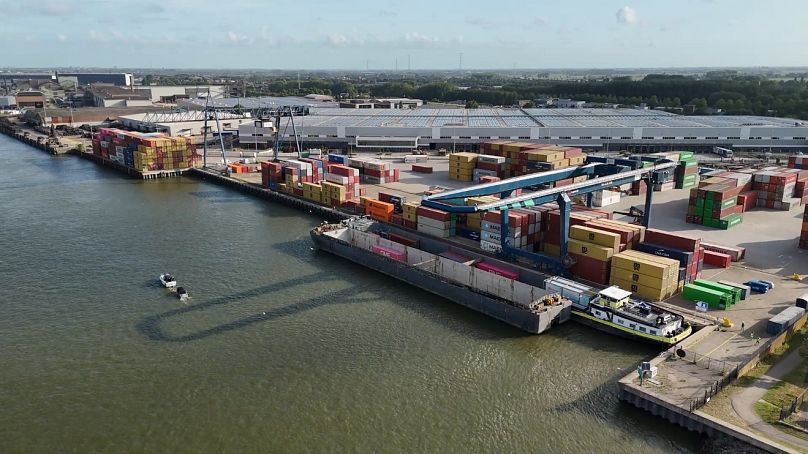
Transit time depends on freight mode, routing, customs inspection, and port congestion.
Machinery Transit Time by Destination
| Destination | FCL | Break Bulk | Air Freight |
|---|---|---|---|
| Los Angeles | 18–25 days | 20–30 days | 3–5 days |
| New York | 22–30 days | 25–35 days | 4–6 days |
| Houston | 20–28 days | 22–32 days | 4–7 days |
| Miami | 22–30 days | 23–33 days | 3–6 days |
Logistics partners provide updated ETA forecasts to help with project planning.
What Safety Practices Are Required for Machinery Transport?
Safety is critical because heavy equipment often operates under strict regulations.
Key safety practices include:
- Proper load-securing
- Verified weight distribution
- OSHA-compliant lifting procedures
- Hazardous material labeling (if applicable)
- Engine fluid draining for shipping
- Protective coverings for sensitive parts
A professional shipping agent ensures all safety protocols are followed.
How Do Logistics Partners Improve Machinery Supply Chains?
Because machinery shipments are often part of capital investment projects, logistics efficiency directly impacts construction, manufacturing, or engineering timelines.
Logistics partners help by:
- Coordinating suppliers worldwide
- Planning long-term delivery schedules
- Preventing costly project delays
- Providing customs and regulatory expertise
- Offering warehousing for early arrivals
- Managing inland trucking and crane services
Their planning prevents disruptions that could impact entire operations.
How to Choose the Best US Shipping Agent for Machinery Transport?
Selecting the right partner determines whether heavy equipment arrives safely and on schedule.
Evaluate:
- Experience with industrial machinery
- Access to break bulk and flat rack carriers
- Availability of heavy-duty loading equipment
- Knowledge of customs regulations
- Track record of low damage rates
- Transparent pricing
- Strong project communication
- Cargo insurance expertise
A good partner becomes more than a carrier—they become a strategic asset.
Conclusion
Working with an experienced us shipping agent for machinery transport ensures safer handling, smoother customs clearance, and more predictable delivery timelines. Since heavy machinery requires specialized logistics expertise, choosing a knowledgeable partner helps reduce risks, control costs, and support long-term operational success. With the right planning and coordination, machinery imports and exports become far more efficient and reliable.

📦Get a Free Quote
Our team provides professional machinery transport solutions, including safe packing, compliant clearance, and nationwide delivery. Contact us today to discuss your equipment shipping requirements.
It refers to the support team managing client communication, delivery updates, and issue resolution for container transport.
Yes, depending on size and urgency, machines can move via FCL, flat rack, break bulk, or air freight.
You need a commercial invoice, packing list, bill of lading, HS codes, and compliance certificates if necessary.
It is secured using steel frames, wooden crates, shock absorbers, waterproofing, and proper lifting points.
Insurance is strongly recommended due to high cargo value and potential handling risks.