
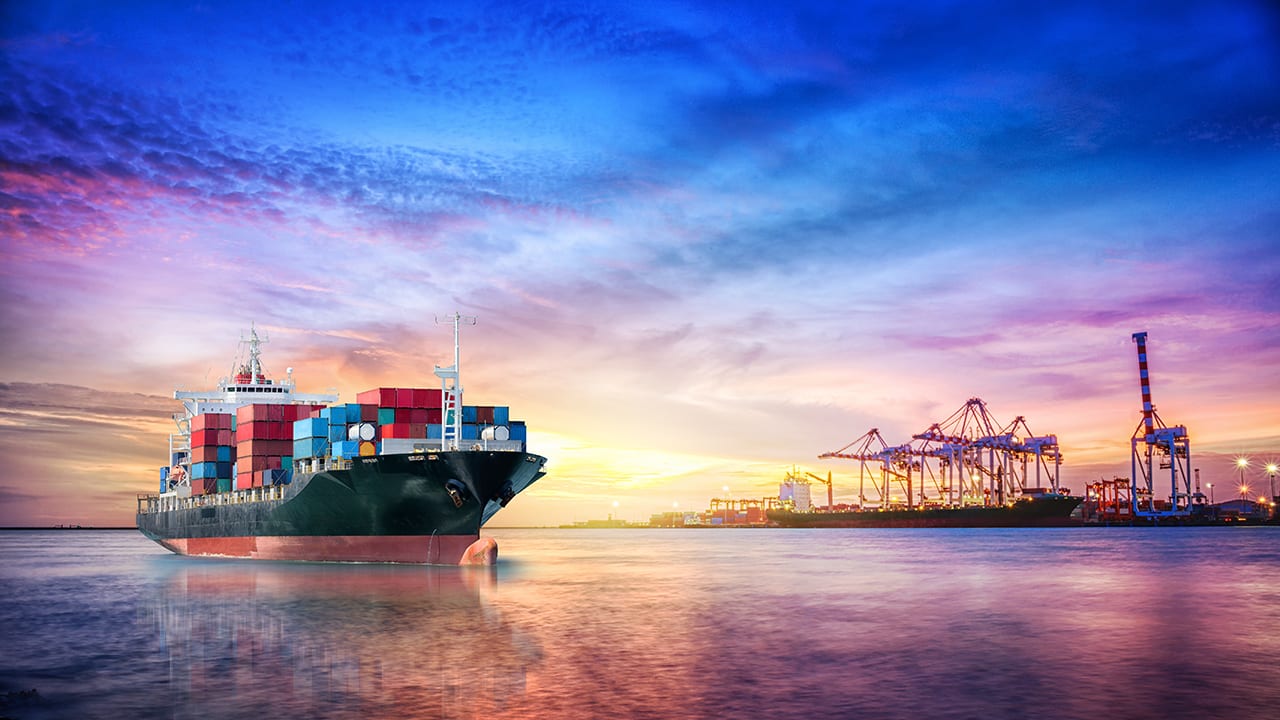
Managing international shipments requires precision, compliance, and efficiency. Working with a US shipping agent for sea freight ensures seamless coordination between ports, customs authorities, and inland carriers. Whether you’re importing from Asia or exporting to Europe, a professional sea freight agent simplifies operations, minimizes delays, and saves costs through optimized logistics planning.
What Does a US Shipping Agent for Sea Freight Do?
A shipping agent for sea freight acts as the bridge between importers, exporters, carriers, and customs authorities. They manage the operational and regulatory aspects of maritime transport — from cargo booking to final delivery.
Key Responsibilities Include:
- Freight booking and carrier coordination
- Export and import documentation
- Customs clearance and port handling
- Cargo consolidation (FCL/LCL)
- Real-time shipment tracking
- Insurance, warehousing, and delivery
By partnering with the right agent, businesses avoid miscommunication, port penalties, and unnecessary storage fees.
Why Do You Need a US Shipping Agent for Sea Freight?
International sea freight involves complex documentation, strict customs rules, and coordination across multiple stakeholders. A local agent in the U.S. ensures compliance with both U.S. Customs and Border Protection (CBP) and the Federal Maritime Commission (FMC).
Main Benefits:
- Regulatory compliance: Avoid delays and fines from incorrect filings.
- Cost control: Negotiate competitive carrier rates.
- Faster turnaround: Coordinate vessel schedules and port operations efficiently.
- End-to-end visibility: Track every stage of shipment with digital tools.
Therefore, a US-based agent is essential for ensuring your sea freight operations stay smooth, timely, and profitable.
How Does Sea Freight Work with a US Shipping Agent?
| Step | Process | Responsibility | Typical Duration |
|---|---|---|---|
| 1 | Booking space with shipping line | Agent | 1–2 days |
| 2 | Cargo pickup and port transport | Forwarder | 1–3 days |
| 3 | Export documentation & customs | Agent | 2–5 days |
| 4 | Ocean transit | Carrier | 10–40 days |
| 5 | Import clearance at US port | Broker | 1–3 days |
| 6 | Inland delivery to consignee | Trucking/Agent | 2–5 days |
This process may vary depending on destination, cargo type, and carrier route.
What Are the Main Sea Freight Options Available?
| Shipping Type | Description | Ideal For | Cost Level | Transit Time |
|---|---|---|---|---|
| FCL (Full Container Load) | Dedicated container for one shipper | Bulk shipments | $$ | 20–35 days |
| LCL (Less than Container Load) | Shared space with other shippers | Small loads | $ | 25–40 days |
| Break Bulk | For oversized or irregular cargo | Machinery, equipment | $$$ | 25–45 days |
| Ro-Ro Shipping | For vehicles or rolling cargo | Cars, trucks | $$ | 25–40 days |
A US shipping agent for sea freight will recommend the best option based on cargo size, urgency, and budget.
How Much Does Sea Freight Cost to or from the US?
Sea freight pricing depends on several variables including route, fuel costs, and seasonal demand.
| Container Type | Average Cost (USD) | Capacity | Notes |
|---|---|---|---|
| 20ft FCL | $2,000–$3,200 | 28–30 CBM | Common for small shipments |
| 40ft FCL | $3,500–$5,800 | 58–60 CBM | Best for larger volume |
| LCL (per CBM) | $80–$150 | Shared | Includes consolidation |
| DDP (Door-to-Door) | $1.8–$3.5/kg | — | Covers customs & taxes |
Agents can often negotiate lower rates through established carrier partnerships and consolidated shipments.
What Documents Are Required for Sea Freight Shipping?
| Document | Purpose | Issued By |
|---|---|---|
| Bill of Lading (B/L) | Proof of shipment and contract | Carrier |
| Commercial Invoice | Declares cargo value | Exporter |
| Packing List | Details package contents | Supplier |
| Certificate of Origin | Verifies manufacturing country | Chamber of Commerce |
| Arrival Notice | Alerts consignee of incoming cargo | Freight Forwarder |
| Importer Security Filing (ISF) | Required by U.S. Customs | Importer or Agent |
A professional agent ensures all documents are accurate and submitted on time to avoid customs delays.
How Long Does Sea Freight Take to or from the US?
| Route | Average Transit Time | Frequency | Common Use |
|---|---|---|---|
| China – Los Angeles | 15–22 days | Daily | Consumer goods |
| Vietnam – Houston | 25–35 days | Weekly | Apparel, electronics |
| Germany – New York | 14–21 days | Weekly | Industrial products |
| India – Savannah | 25–32 days | Weekly | Chemicals, raw materials |
Transit time varies depending on port congestion, weather, and shipping lane efficiency.
How Can You Reduce Sea Freight Costs with an Agent?
- Plan early: Booking in advance locks in lower freight rates.
- Use FCL when possible: Full containers reduce per-unit costs.
- Consolidate shipments: Combine small loads under one bill of lading.
- Optimize packaging: Avoid paying for unused container space.
- Leverage off-peak seasons: Shipping during non-peak months reduces surcharges.
- Work with established agents: They access better contract rates from carriers.
A US shipping agent for sea freight applies these strategies automatically to help you save.
What Is the Role of Customs Brokers in Sea Freight?
Customs brokers, often working alongside shipping agents, handle the legal aspects of import/export compliance. They ensure proper classification, duty payment, and clearance.
Broker Services Include:
- HS Code verification
- Importer Security Filing (ISF) submission
- Duty and tax calculation
- Coordination with CBP inspections
Many sea freight agents integrate brokerage services into their packages for a single-point logistics solution.
FCL vs. LCL: Which Is Better for Your Shipment?
| Comparison | FCL | LCL |
|---|---|---|
| Cost per CBM | Lower | Higher |
| Handling | Minimal | More frequent |
| Risk of Damage | Very low | Moderate |
| Ideal Volume | 15+ CBM | <15 CBM |
| Customs Clearance | Faster | May delay due to shared containers |
If your cargo volume is high enough, FCL shipping is generally more cost-efficient and secure.
Conclusion
Partnering with a reliable US shipping agent for sea freight is crucial for smooth, cost-effective global trade. From negotiating carrier contracts to handling customs and compliance, experienced agents streamline every process. By combining modern technology with deep industry expertise, they help businesses save money, avoid delays, and strengthen supply chain reliability — ensuring your cargo reaches its destination safely and efficiently.

📦Get a Free Quote
👉 Optimize your global trade today with a professional US shipping agent for sea freight. From customs clearance to cost-effective container booking, expert agents simplify every stage of your logistics journey. Contact a trusted provider now to get personalized freight solutions tailored to your business.
It’s a licensed logistics professional managing sea cargo operations, customs, and port coordination for importers and exporters.
Rates vary by container size and route, but average between $2,000–$5,800 per container depending on distance and demand.
Typical transit time ranges from 15–40 days, depending on origin, destination, and carrier schedules.
Yes, many agents offer DDP (Delivered Duty Paid) shipping, covering customs, duties, and inland transport.
Not always. Many sea freight agents include customs brokerage services within their logistics packages.