
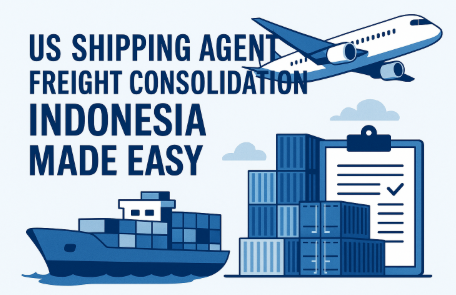
US shipping agent freight consolidation Indonesia services are gaining strong demand as importers search for lower freight rates, predictable transit times, and easier customs management. With Indonesia becoming a major sourcing hub for furniture, textiles, electronics, and FMCG goods, US buyers increasingly need structured consolidation solutions to streamline logistics and reduce costs.
As supply chains evolve, businesses require a shipping partner who can manage multi-supplier pickups, compliant documentation, and end-to-end delivery. Velotactlcs Logistics supports US importers with stable, transparent, and cost-optimized consolidation routes from Jakarta, Surabaya, Batam, and Medan.

What Is Freight Consolidation From Indonesia to the USA?
Freight consolidation is the process of combining multiple LCL shipments into a single freight unit. Although each supplier sends goods separately, the US shipping agent merges them into one consolidated container or air shipment before exporting.
This method dramatically reduces logistics costs while maintaining efficient delivery schedules.
Additionally, consolidation helps importers avoid paying high individual LCL charges, reduces port handling fees, and lowers the risk of customs delays.
Long-tail keywords naturally included: Indonesia LCL shipping to USA, Indonesia consolidation warehouse, multi-supplier shipping Indonesia, low-cost freight Indonesia to USA.
How Does a US Shipping Agent Manage Multi-Supplier Cargo?
When importers work with several Indonesian suppliers, coordination becomes challenging. However, a US shipping agent handles each operational step:
- Supplier pickup or receiving at the consolidation warehouse
- Cargo inspection, labeling, and count verification
- Repacking or palletizing when needed
- Export documentation (COO, invoice, packing list)
- ISF filing and compliance checks
- Booking sea freight or air freight consolidation
- Final delivery to the US warehouse, Amazon FBA, or 3PL
Because logistics risks increase with multiple suppliers, a specialized agent ensures smooth communication and consistent cargo quality.
Why Choose Consolidation Instead of Direct LCL Shipments?
Many US importers prefer consolidation because it provides:
- Lower freight rates
- Stronger supply chain visibility
- Smoother customs clearance
- Fewer delays at loading ports
- Reduced trucking and handling costs
- A single bill of lading for all suppliers
Moreover, consolidated freight avoids frequent partial shipments that lead to higher operational costs. Therefore, businesses importing medium-volume goods gain major advantages.
How Much Does Indonesia–US Consolidated Shipping Cost?
Although rates vary based on destination, season, and CBM/weight, consolidation typically saves 20–40% compared to independent LCL shipments.
Below is a standard comparison:
| Mode | Avg. Cost | Transit Time | Pros | Cons |
|---|---|---|---|---|
| LCL Sea Freight Consolidation | Low | 22–32 days | Best cost, flexible volume | Slower transit |
| Air Freight Consolidation | Medium–High | 5–9 days | Fast, reliable | Higher cost |
| FCL Shared Container | Medium | 18–28 days | Stable rates, controlled volume | Requires partial container load |
Because consolidation reduces duplicated handling, importers gain more stable shipping costs and transit time reliability.
What Documents Are Needed for Indonesia–US Consolidated Freight?
Import procedures require a predictable documentation workflow. Therefore, US importers must prepare:
- Commercial Invoice
- Packing List
- HS Code declaration
- Certificate of Origin (Form A or general COO)
- Bill of Lading / Air Waybill
- ISF Filing Details
- Product-specific compliance documents (FDA, USDA, FCC)
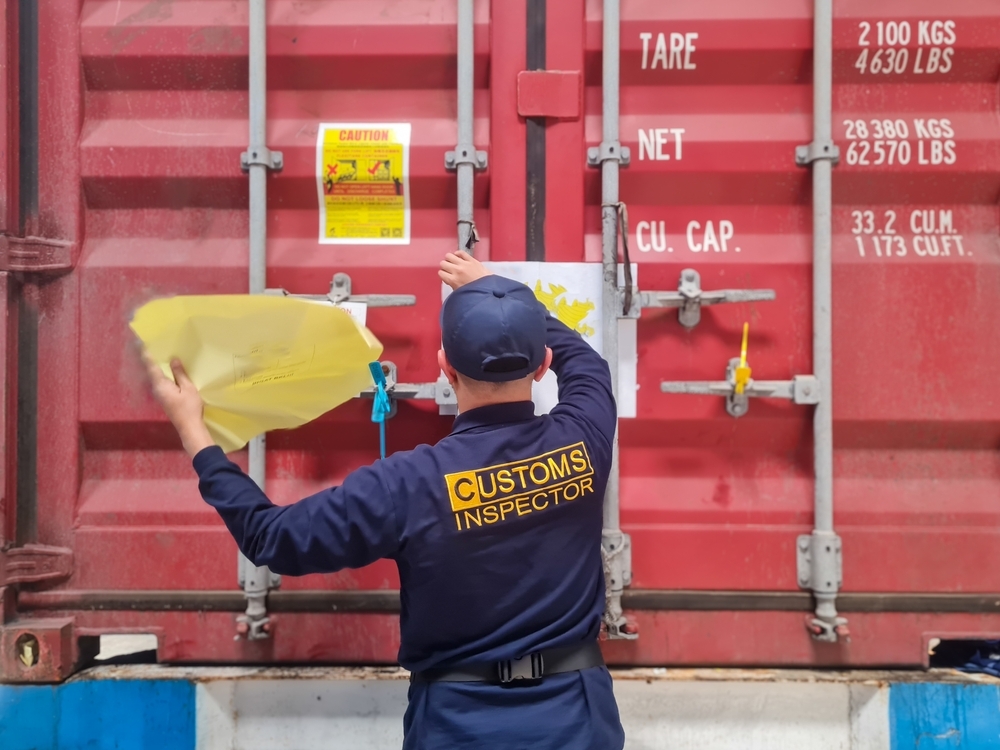
Velotactlcs Logistics supports document accuracy by reviewing all supplier paperwork before submission to US customs, reducing the risk of fines or delays.
How Does Consolidation Improve Transit Time Stability?
Transit time consistency improves because:
- Cargo moves on fixed weekly sailings
- Warehouse batching reduces waiting time
- Customs filing is prepared ahead of departure
- Consolidated shipments use stable carriers with predictable schedules
Additionally, fewer handling steps reduce the chance of port congestion or warehouse backlogs.
What Types of Cargo Benefit Most From Consolidation?
Consolidation is ideal for:
- Furniture and home goods
- Consumer electronics
- Textiles and apparel
- Automotive accessories
- OEM spare parts
- Beauty and personal care products
Because these goods often come from multiple suppliers, consolidation minimizes fragmented shipping and enhances cost efficiency.
How Velotactlcs Logistics Simplifies Indonesia–US Freight Consolidation
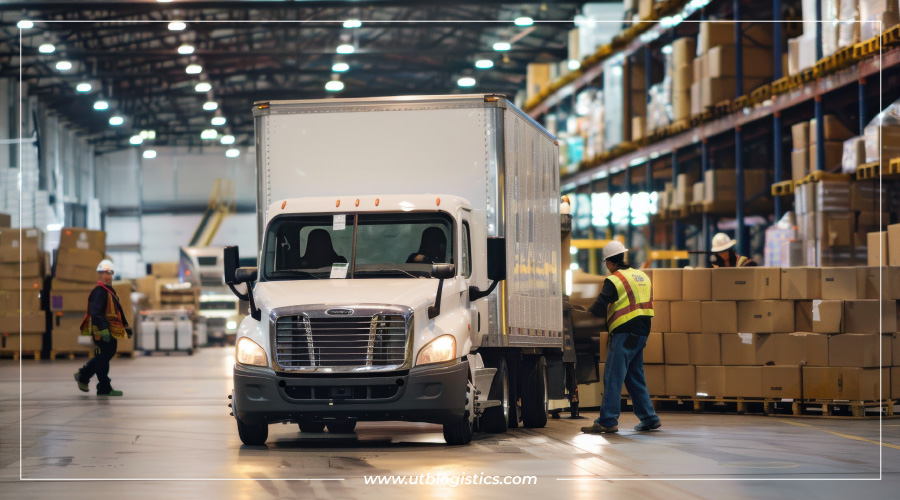
Velotactlcs Logistics provides end-to-end logistics from Indonesia to the US, including multi-supplier coordination, cargo consolidation, customs filing, and US inland trucking.
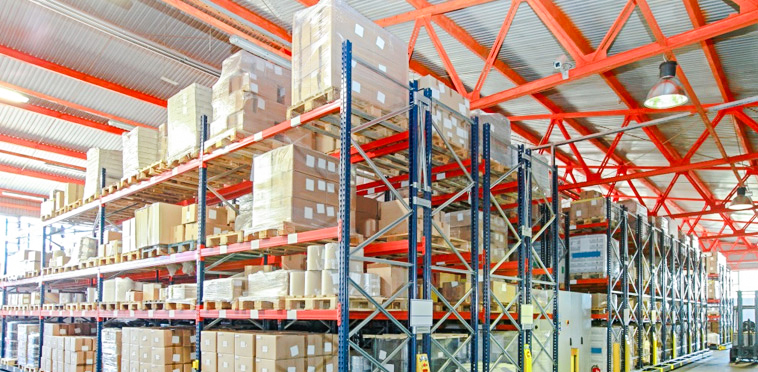
Furthermore, our Indonesia consolidation warehouses in Jakarta and Surabaya offer stable weekly departures, repacking services, and secure storage.
With advanced shipment tracking and 24/7 communication, importers gain complete visibility across the supply chain.
Real Case Studies From Indonesia to USA
Origin: Surabaya
Destination: Los Angeles
Volume: 4.2 CBM from 3 suppliers
Mode: LCL Sea Freight
Cost: $680 total (saved 33%)
Transit Time: 26 days
Result: Supplier pickup + consolidation reduced paperwork issues and avoided 3 separate LCL bills.
Origin: Jakarta
Destination: Chicago
Volume: 2.8 CBM
Mode: Air Freight Consolidation
Cost: $1,350
Transit Time: 6 days
Result: Mixed SKUs shipped safely with palletization and faster clearance.
Origin: Batam
Destination: Houston
Volume: 6.5 CBM
Mode: Shared FCL
Cost: $1,980
Transit Time: 23 days
Result: Predictable ETD/ETA and reduced warehouse handling in the US.
Can Consolidation Work for Amazon FBA Shipments?
Yes. Consolidation is highly suitable for Amazon FBA because:
- Labels and FNSKU preparation can be completed at origin
- Split-shipment routing is optimized before export
- FBA appointment delays are minimized
- Packaging compliance checks reduce returns
Therefore, most small US sellers rely on consolidation to reduce shipping cost per unit and accelerate restocking.
What Are the Typical Transit Times From Indonesia to the USA?
| Route | Transit Time | Notes |
|---|---|---|
| Jakarta → Los Angeles | 22–27 days | Most stable route |
| Surabaya → Houston | 25–32 days | Some peak-season delays |
| Batam → New York | 28–35 days | Longest distance |
| Air Freight (All Origins) | 5–9 days | Fastest option |
Transit times vary by season, though consolidation generally keeps delays minimal.
Conclusion
US shipping agent freight consolidation Indonesia services offer importers a smarter, more economical way to manage multi-supplier cargo. By merging shipments at origin, businesses reduce freight costs, stabilize transit times, and avoid customs delays. With a trusted partner like Velotactlcs Logistics, importers gain clearer visibility, smoother coordination, and consistent delivery performance.
For companies sourcing from Indonesia, consolidation remains one of the most efficient and scalable logistics strategies to optimize their US supply chain.
Need a quote?
Ready to get started? Contact us now to request a free shipping quote.
Frequently Asked Questions (FAQ)
Q1: It significantly reduces overall logistics costs by combining multiple shipments into one, lowering LCL fees and minimizing handling charges.
Q2: Most shipments should arrive 3–5 days before the weekly closing date to ensure cargo inspection, labeling, and documentation preparation.
Q3: Yes, as long as all items meet US customs requirements and proper HS codes are declared for each product type.
Q4: Air consolidation is ideal for urgent or high-value cargo because it reduces per-kg costs while maintaining fast delivery.
Q5: A single bill of lading and unified documentation reduce entry errors, helping shipments clear faster and avoid ISF penalties.