
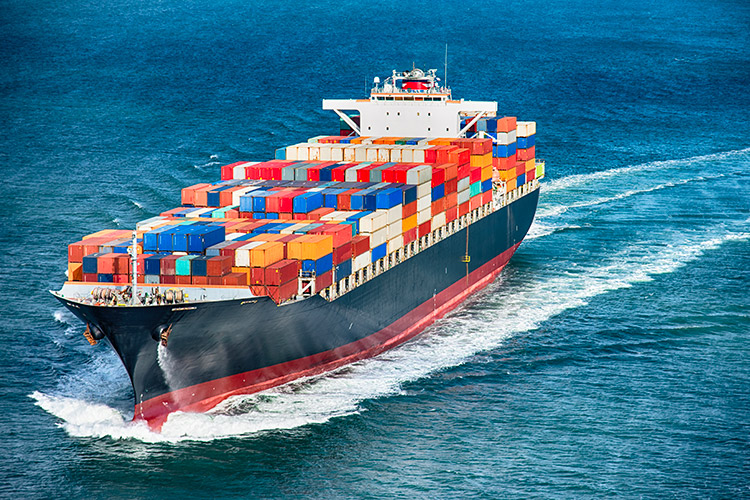
Finding a dependable us shipping agent near Long Beach is essential for importers dealing with tight deadlines, unpredictable customs exams, and rising logistics costs. Since the Port of Long Beach is one of the busiest gateways in the US, importers often face delays, documentation issues, and congestion-related challenges. This guide provides structured strategies, accurate data, and practical tables to help you achieve smooth clearance and faster delivery.
What Does a US Shipping Agent Near Long Beach Actually Do?
A shipping agent near Long Beach manages critical import procedures including customs clearance, terminal coordination, documentation review, ISF filing, and last-mile delivery. Because Long Beach handles high cargo volume, an experienced agent ensures accuracy and minimizes clearance risks.
Their responsibilities include:
• Reviewing commercial documents for accuracy
• Filing customs entries ahead of arrival
• Coordinating with terminals and CFS warehouses
• Managing communication with CBP during exams
• Assisting with drayage and inland transport
• Preventing delays caused by documentation mismatches
Why Do Importers Need an Agent Near the Port of Long Beach?
Importers choose a us shipping agent near Long Beach because proximity to the port significantly reduces delays. Long Beach often suffers from congestion, chassis shortages, and slow processing queues, so local agents provide on-site support.
Key benefits of a local agent:
• Faster document delivery and response times
• Immediate coordination during exams
• Better visibility on port conditions
• Stronger relationships with local terminals
• Local knowledge of drayage capacity and cut-off times
What Problems Do Importers Commonly Face at Long Beach Port?
Below is a structured summary of common pain points importers experience at Long Beach:
| Pain Point | Cause | Impact |
|---|---|---|
| Terminal congestion | Volume spikes, labor shortages | Pickup delays, storage fees |
| Incorrect HS codes | Supplier mistakes | Entry rejection, exam risk |
| Document mismatches | Invoice vs packing list inconsistency | CBP hold or tailgate exam |
| LCL cargo issues | Mixed containers | Higher exam probability |
| Late ISF filing | Poor coordination | Penalties and processing delays |
This table explains the root causes behind most clearance delays.
What Documents Are Required for Smooth Clearance?
Documentation accuracy prevents 70% of delays. A professional agent verifies everything before filing.
Required documents checklist:
| Document | What CBP Checks | Common Issue |
|---|---|---|
| Commercial Invoice | Value, description, HS code | Undervaluation |
| Packing List | Weight, volume, quantities | Not matching invoice |
| Bill of Lading | Shipper, consignee, routing | Wrong description |
| Arrival Notice | Shipment arrival info | Incorrect dates |
| Customs Bond | Compliance guarantee | Wrong bond amount |
| Import Permits | FDA, USDA, FCC approvals | Missing documents |
How Much Does Clearance Cost at Long Beach?
Costs vary by freight mode and exam occurrence, but the table below gives realistic ranges:
| Fee Type | Cost Range | Notes |
|---|---|---|
| Entry Filing | $60–$150 | Mandatory |
| ISF Filing | $35–$90 | Ocean only |
| MPF Duty | 0.3464% | Minimum ~$29 |
| HMF Duty | 0.125% | Ocean freight |
| Terminal Fee | $40–$120 | Varies by terminal |
| Exam Fee | $50–$500+ | Based on exam type |
| Storage/Demurrage | $20–$200/day | Caused by port congestion |
What CBP Exam Types Occur Frequently at Long Beach?
Long Beach has one of the highest exam rates due to traffic volume. Below are real exam types:
| Exam Type | Cost | Delay | Trigger |
|---|---|---|---|
| X-Ray / VACIS | $50–$120 | 1–2 days | Security screening |
| Tailgate Exam | $80–$150 | 2–3 days | Description mismatch |
| CET Intensive | $250–$500+ | 5–7 days | Full check of container contents |
| USDA Inspection | $100–$300 | 1–3 days | Wood packaging or agriculture items |
| Manifest Hold | $0 | 1–5 days | BL mismatch |
How Long Does Clearance Take at Long Beach?
Clearance typically takes 24–72 hours, but congestion and document issues can extend the timeline.
Common delay factors include:
• Incorrect HS codes
• Incomplete invoice descriptions
• Missing import permits
• LCL consolidation delays
• Local chassis shortages
• High port exam rate
A us shipping agent near Long Beach minimizes these risks through early document auditing and port-side coordination.
Shipping Method Comparison for Long Beach Imports
The best mode depends on urgency, cargo volume, and cost goals.
| Shipping Mode | Clearance Speed | Cost Level | Best For |
|---|---|---|---|
| Air Freight | Fast (1–5 days) | High | Urgent shipments |
| FCL Sea Freight | Moderate | Medium | High-volume shipments |
| LCL Sea Freight | Slow (3–7 days) | Low | Low-volume shipments |
FCL vs LCL Clearance Difficulty at Long Beach
Cargo type directly affects delay risk:
| Criteria | FCL | LCL |
|---|---|---|
| Clearance Time | Faster | Slower due to CFS |
| Exam Risk | Medium | High |
| Extra Costs | Lower | Higher (CFS, handling fees) |
| Risk Cause | Single shipper | Mixed shippers |
| Best Choice | Volume cargo | Small shipments |
How Can Importers Speed Up Clearance Near Long Beach?
Proven strategies to reduce delays:
- Submit all documents before vessel arrival.
- Use precise HS codes validated by an agent.
- Avoid vague descriptions like “parts” or “samples.”
- Prepare FDA/USDA/FCC permits early.
- Use an annual bond to simplify entries.
- Coordinate with a local clearing agent for faster responses.
- Track terminal congestion before choosing routes.
Conclusion
Working with a us shipping agent near Long Beach provides importers with faster customs clearance, smoother port handling, and protection from congestion-related delays. When documentation is correct, permits are ready, and communication is fast, importers maintain predictable delivery schedules and avoid unnecessary expenses. A professional agent turns one of the busiest ports in the world into a smooth entry point for your supply chain.

📦Get a Free Quote
Partnering with a trusted us shipping agent near Long Beach ensures your cargo clears faster, avoids costly mistakes, and moves through terminals without unnecessary delays. If you want better visibility, smoother clearance, and improved reliability, now is the perfect time to work with a local professional.
Long Beach faces high cargo volume, congestion, and strict documentation checks. Delays often occur due to incorrect paperwork, HS code issues, or random exams. Using a local agent reduces these risks significantly.
Although exams cannot be fully avoided, accurate documents, correct HS codes, and early permit preparation reduce exam triggers. Local agents help pre-check all data before submission.
Yes. LCL involves mixed cargo, CFS handling, and higher exam probability. FCL is faster because it involves only one shipper, reducing error risks and processing delays.
You need a commercial invoice, packing list, BL, arrival notice, customs bond, and any required permits. Ensuring these documents match helps prevent holds or rejections.
Typical fees include $60–$150 for entry filing, $35–$90 for ISF, 0.3464% MPF, 0.125% HMF, and $50–$500+ for exams. Costs vary depending on shipment type and delays.