
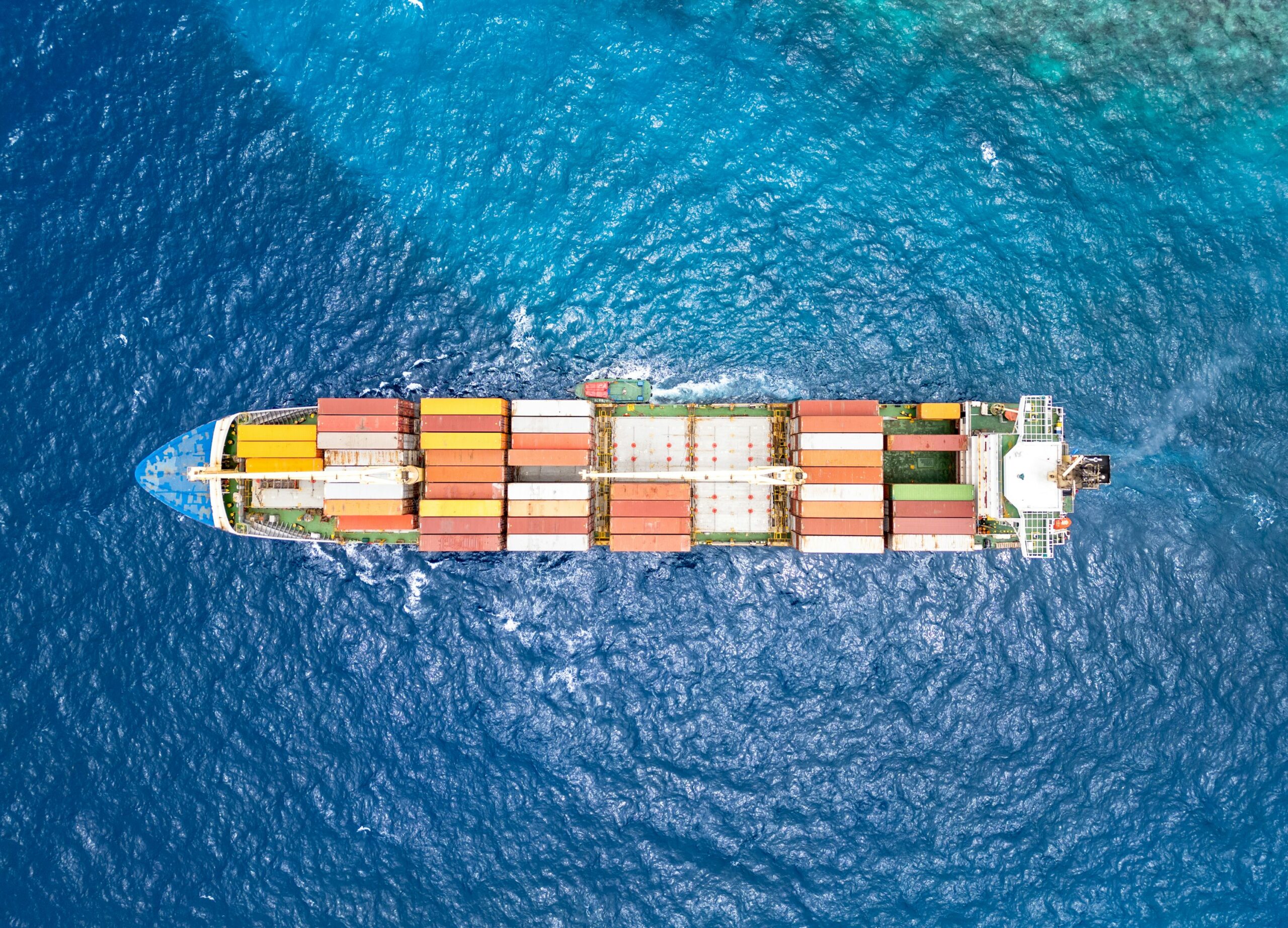
Finding a professional US shipping agent near Los Angeles Port can make a world of difference for importers and exporters. As one of the busiest ports in the world, the Port of Los Angeles handles millions of containers annually—creating both opportunities and challenges for businesses managing global logistics. This guide explains how shipping agents streamline operations, reduce costs, and ensure smooth cargo movement through America’s largest trade gateway.
service is the link between importers, carriers, and terminals that ensures every shipment arrives safely and on time. Poor service can lead to costly demurrage, missed deliveries, and lost customers. This guide explores how effective customer service in drayage operations saves time, money, and stress.
Why Choose a US Shipping Agent near Los Angeles Port?
Proximity to the port offers a strategic advantage. A local shipping agent provides immediate access to customs offices, container yards, and drayage networks—reducing delays and demurrage costs.
Key Benefits:
- Faster response to port operations and schedule changes
- Easier customs coordination and inspection handling
- Reduced trucking time and inland freight costs
- Access to nearby warehouses and fulfillment centers
- Real-time cargo updates and better communication
Therefore, working with a nearby agent ensures both speed and control over every stage of your supply chain.
What Services Do Shipping Agents Provide at Los Angeles Port?
A US shipping agent near Los Angeles Port handles end-to-end logistics, whether you’re importing goods from Asia or distributing them nationwide.
Comprehensive Agent Services Include:
- Freight booking and consolidation (FCL/LCL)
- Customs clearance and documentation
- Port drayage and intermodal trucking
- Warehousing and inventory management
- Amazon FBA delivery and repackaging
- Cargo insurance and compliance consulting
With these services integrated under one provider, businesses can achieve seamless cargo flow from vessel to warehouse.
How Does Los Angeles Port Support Global Trade?
The Port of Los Angeles, often called America’s Port, manages over 9 million TEUs (Twenty-Foot Equivalent Units) annually. Its deep-water terminals connect directly to major global trade lanes—especially Asia.
| Key Region | Average Transit Time | Main Route | Common Goods |
|---|---|---|---|
| China | 15–20 days | Pacific Ocean | Electronics, apparel, tools |
| Japan | 12–15 days | Trans-Pacific | Machinery, vehicles |
| South Korea | 13–18 days | Pacific route | Auto parts, plastics |
| Vietnam | 18–22 days | South China Sea | Furniture, garments |
Moreover, Los Angeles is linked to over 70 international ports and boasts advanced rail and road networks, making it the preferred entry point for goods entering the U.S.
What Are the Advantages of Working with Local Agents?
| Advantage | Description |
|---|---|
| Proximity to Port Terminals | Agents can respond quickly to port changes or customs holds. |
| Established Relationships | Local experts know terminal operators and brokers. |
| Lower Inland Costs | Shorter drayage routes reduce trucking fees. |
| Faster Turnaround | Quicker clearance and delivery to warehouses. |
| Compliance Expertise | Knowledge of U.S. import/export laws and local port procedures. |
Furthermore, agents located near Los Angeles often offer multi-modal solutions, combining ocean freight, rail, and trucking to shorten overall transit times.
How Do Agents Handle Customs Clearance?
Customs can be one of the most challenging aspects of logistics. A professional shipping agent ensures all cargo complies with U.S. Customs and Border Protection (CBP) requirements.
Typical Customs Process:
- Document Preparation: Verify invoices, packing lists, and bill of lading.
- Entry Filing: Submit electronic documentation through ACE (Automated Commercial Environment).
- Duty & Tax Payment: Calculate and pay applicable tariffs or duties.
- Inspection Coordination: Manage CBP or FDA inspections if required.
- Cargo Release: Handoff cleared shipments for delivery.
By managing compliance digitally, agents prevent costly delays and penalties.
How Much Does It Cost to Ship via Los Angeles Port?
Costs depend on shipment type, route, and service level. Here’s a breakdown of common freight cost ranges:
| Shipping Mode | Average Cost (USD/kg or per container) | Transit Time | Best For |
|---|---|---|---|
| Sea Freight (FCL) | $1,800–$3,500 per 20ft container | 20–35 days | Bulk cargo |
| Sea Freight (LCL) | $100–$180 per CBM | 25–40 days | Small to medium loads |
| Air Freight | $5–$9/kg | 5–10 days | Urgent shipments |
| DDP (Door-to-Door) | $1.8–$3.5/kg | 15–25 days | Hassle-free delivery |
| Domestic Trucking | $100–$400 | 1–3 days | Last-mile delivery |
Working with a US shipping agent near Los Angeles Port helps negotiate better rates and minimize hidden charges through bundled logistics solutions.
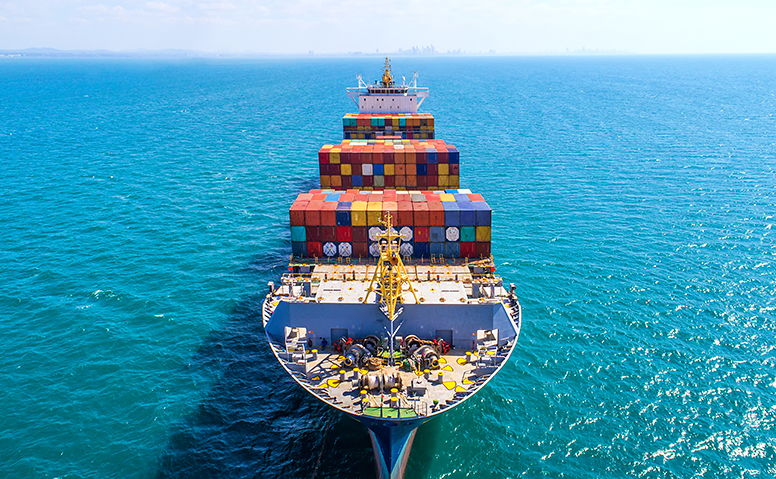
How Can a Shipping Agent Near Los Angeles Help Amazon Sellers?
Los Angeles is home to multiple Amazon fulfillment centers and 3PL warehouses. A local agent can handle all Amazon FBA requirements, including labeling, palletizing, and scheduling inbound appointments.
FBA Support Services:
- FNSKU labeling and packaging compliance
- Carton measurement and pallet building
- FBA warehouse booking and delivery
- Inventory inspection and repacking
This ensures your cargo is Amazon-ready and avoids warehouse rejections.
What Are the Key Documents Needed for Import Clearance?
| Document | Purpose | Issued By |
|---|---|---|
| Commercial Invoice | Declares value and details | Exporter |
| Bill of Lading | Proof of shipment | Carrier |
| Packing List | Describes goods and quantity | Supplier |
| Arrival Notice | Cargo arrival confirmation | Shipping Line |
| Importer Security Filing (ISF) | U.S. import compliance | Customs Broker |
| Delivery Order | Cargo release authorization | Freight Forwarder |
Agents handle these documents accurately to ensure error-free clearance.
Why Is Los Angeles a Strategic Hub for Importers and Exporters?
Beyond its massive capacity, Los Angeles offers access to:
- 20+ container terminals with automated cranes
- Nearby rail terminals connecting to Chicago, Dallas, and Atlanta
- Over 50 million square feet of warehousing space in the Inland Empire
- Cross-docking and last-mile delivery networks
Therefore, choosing an agent close to this hub allows faster inventory turnover and lower inland shipping costs.
How to Select the Right US Shipping Agent near Los Angeles Port
When evaluating agents, consider:
- Experience: At least 5+ years handling import/export through Los Angeles.
- Services Offered: Freight, customs, warehousing, and last-mile delivery.
- Licensing: Verify FMC, NVOCC, or customs broker certifications.
- Technology: Ability to provide real-time tracking and digital invoicing.
- Customer Support: Availability for time-sensitive port operations.
Agents that meet these criteria can provide consistent reliability and cost transparency.
Conclusion
Optimize your freight operations today with a professional US shipping agent near Los Angeles Port. Whether you need customs clearance, drayage, or FBA delivery, a reliable agent ensures timely service, transparent pricing, and smooth cargo flow from ship to shelf. Contact us to discuss a tailored solution for your logistics needs.

📦Get a Free Quote
Partnering with a trusted US shipping agent near Los Angeles Port ensures smooth, compliant, and cost-efficient logistics operations. From customs clearance and drayage to FBA and warehousing, local agents offer unmatched advantages in speed and reliability. With advanced digital tools and on-ground expertise, they empower businesses to manage global trade efficiently and keep their supply chains running seamlessly.
A nearby agent can handle customs, drayage, and delivery faster, reducing turnaround time and operational costs.
Yes. Many local agents specialize in FBA labeling, palletization, and warehouse deliveries across Southern California.
Typically 1–3 business days, depending on inspection status and documentation accuracy.
Yes. Many agents offer bonded and non-bonded warehouses within 10–20 miles of the port.
Agents provide tracking portals and EDI integration with carrier systems for full visibility.