
Table of Contents
For global shippers, keeping costs low while speeding up delivery has always been a challenge. In 2025, transload has become the ultimate solution for logistics optimization. It connects sea, rail, and trucking in one continuous flow, saving time and reducing complexity. With VELOTACTICS LOGISTICS , importers and exporters can manage international and domestic transport seamlessly with smart transload strategies.
WHAT IS TRANSLOAD AND WHY IT MATTERS
Transload refers to the process of transferring goods from one mode of transport to another—typically from ocean containers to trucks or trains. This service is critical when goods arrive at major ports like Los Angeles, Houston, or Savannah but need to reach inland destinations.
Instead of sending containers long distances, cargo is quickly moved to domestic trailers, reducing detention fees and optimizing transport efficiency. Transloading also supports flexible scheduling, which is crucial for businesses managing dynamic supply chains.
👉 Find out how we can streamline your logistics today → Send Inquiry
HOW THE TRANSLOAD PROCESS WORKS
A successful transload operation follows a structured process designed to minimize delay and maximize flow:
- Ocean container arrives at the port.
- Cargo is drayed to a nearby transload facility.
- Goods are unloaded, sorted, and reloaded onto trucks or rail.
- Domestic transportation delivers to final destinations.
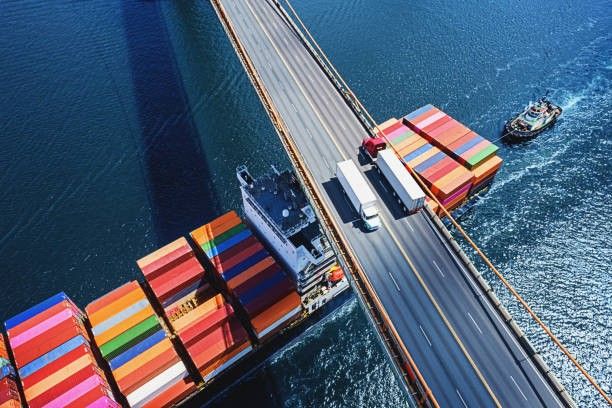
This streamlined movement avoids port congestion and empty container returns. By integrating Sea Freight and inland trucking, VELOTACTICS LOGISTICS ensures each shipment moves smoothly and efficiently.
TRANSLOAD VS CROSS-DOCKING
Many companies confuse transloading with cross-docking. Here’s how they differ:
| Aspect | Transload | Cross-Docking |
|---|---|---|
| Main Function | Transfer cargo between modes | Direct dispatch from warehouse |
| Storage Duration | Short-term or temporary | Minimal or none |
| Typical Use | Import/export freight | Domestic retail distribution |
| Efficiency Goal | Reduce handling cost | Speed up delivery |
Transload optimizes international logistics, while cross-docking enhances domestic delivery performance.
WHY TRANSLOAD SAVES COSTS AND TIME
Transloading helps importers avoid high drayage fees, storage costs, and port congestion. Instead of paying demurrage while waiting for containers, goods can be moved immediately into domestic trucks.
For example, unloading a 40-foot container into two 53-foot trailers increases volume efficiency and lowers cost per cubic meter. Additionally, combining shipments with similar destinations allows shared drayage—cutting total costs by up to 25%.
VELOTACTICS LOGISTICS integrates Sea Freight and Door To Door delivery to make this process even smoother.
👉 Find out how we can streamline your logistics today → Send Inquiry
TRANSLOAD IN U.S. IMPORT AND EXPORT NETWORKS
Transloading supports both import and export supply chains.
- For imports, it moves overseas shipments inland for regional distribution.
- For exports, it consolidates domestic cargo before container loading.
Whether it’s electronics, textiles, or machinery, using a professional transload facility keeps your cargo flowing without delay. Partnering with experienced teams simplifies customs, warehousing, and inland delivery through Import Service and Customs Brokerage
COSTS AND TRANSIT TIME COMPARISON
The right transport mix can make or break your logistics budget. Below is a simplified comparison of multimodal options using transload operations.
| Method | Average Cost (per CBM) | Transit Time | Best For |
|---|---|---|---|
| Sea + Truck | $45–$60 | 18–25 days | General cargo |
| Sea + Rail | $40–$55 | 22–30 days | Heavy loads |
| Air + Truck | $120–$180 | 3–7 days | Urgent goods |
Combining sea, rail, and trucking reduces total lead time while balancing freight rates effectively.
DOCUMENTS NEEDED FOR TRANSLOAD AND CUSTOMS
Compliance is crucial when managing import or export freight. The following documents are essential:
| Document | Purpose |
|---|---|
| Bill of Lading | Proof of ownership |
| Commercial Invoice | Declares shipment value |
| Packing List | Details cargo content |
| Import Declaration | Customs registration |
| Delivery Order | Authorizes cargo release |
Working with a professional Customs Brokerage ensures accurate paperwork and faster clearance.
CASE STUDY – SUCCESSFUL RETAIL TRANSLOAD PROJECT
A U.S. retailer importing home décor products from Ningbo faced delays at the Port of Long Beach. VELOTACTICS LOGISTICS implemented a port-side transload solution. The cargo was moved into 53-foot domestic trailers within 24 hours, avoiding seven days of storage and saving 18% in total logistics cost.
This case illustrates how professional transload operations can solve port congestion and keep retail shelves stocked.
BENEFITS OF USING PROFESSIONAL TRANSLOAD SERVICES
- Reduced detention and demurrage fees
- Faster cargo turnaround
- Consolidation for mixed loads
- Simplified import/export coordination
- Improved inventory flow
Combining Warehouse ensures full control of your supply chain.
👉 Find out how we can streamline your logistics today → Send Inquiry
HOW TO CHOOSE THE RIGHT TRANSLOAD PROVIDER
When choosing a transload partner, consider:
- Facility proximity to ports or rail terminals
- Availability of bonded and temperature-controlled storage
- Real-time tracking technology
- Proven compliance history
- Transparent pricing
A trusted partner with broad multimodal coverage will optimize your operations from port to customer delivery.
Conclusion:
Transload is more than a logistics process—it’s the backbone of efficient global supply chains. It links sea, rail, and road seamlessly, ensuring faster, cheaper, and more flexible cargo delivery. By partnering with VELOTACTICS LOGISTICS, you gain a future-ready advantage that transforms shipping performance in 2025 and beyond.
Get a Quote
Ready to accelerate your supply chain? Get your transload quote in less than 24 hours. Enjoy exclusive 2025 discounts and guaranteed space availability. Trusted by 5,000+ importers worldwide — contact VELOTACTICS LOGISTICS now.
FAQ
It reduces total transport time and costs by transferring cargo directly between transport modes, eliminating unnecessary storage and container returns.
No, professional facilities follow strict handling procedures, use forklifts and sensors, and ensure all cargo remains secured during the transfer.
Yes. Transloading benefits all shippers, especially small and medium enterprises seeking flexible inland distribution options.
Savings vary by volume and route but typically range from 10% to 25% compared to direct trucking or extended port storage.
Key facilities are positioned near major ports and inland hubs, including Los Angeles, Houston, Chicago, and Atlanta.
Absolutely. Modern transload warehouses offer climate-controlled areas, making them ideal for food, pharmaceuticals, and high-value electronics.